
float glass supplier
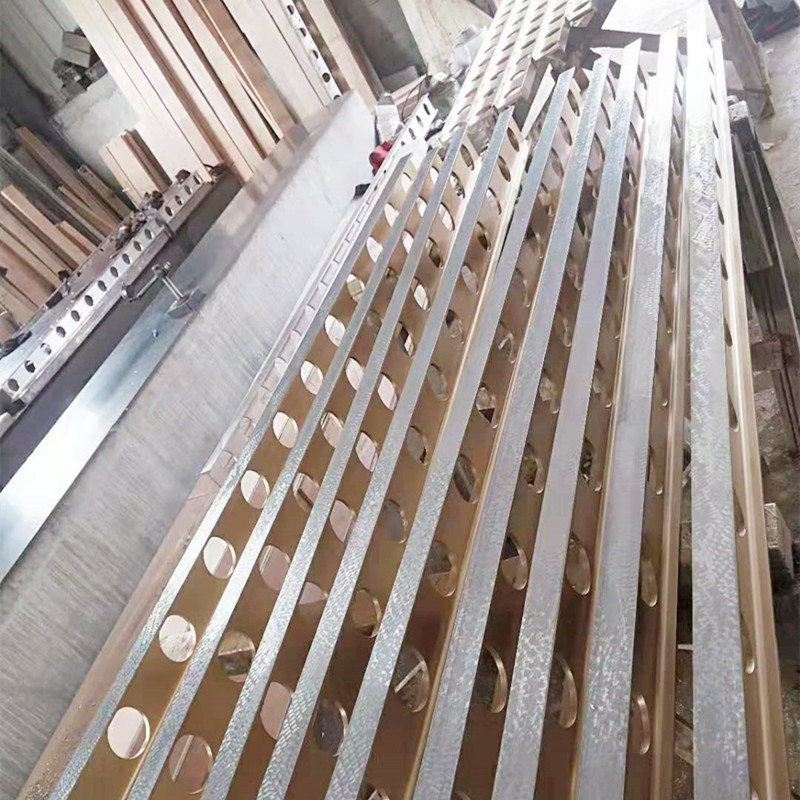
Understanding the Importance of Inspection Rulers in Quality Control In the realm of manufacturing and quality control, precision is paramount. One tool that has proven invaluable in ensuring accuracy and maintaining high standards is the inspection ruler. This seemingly simple instrument plays a crucial role in measuring the dimensions of products and components, aiding manufacturers in delivering top-quality goods to their customers. An inspection ruler, often marked with precise measurements, is designed to provide accurate readings of lengths, widths, and heights of various objects. It serves as a fundamental tool in the inspection phase of production processes. By enabling users to measure items with precision, inspection rulers help to confirm that products meet specified tolerances and dimensions, as outlined in their design requirements. One of the primary industries where inspection rulers are extensively used is in manufacturing. In this sector, products must meet strict regulatory standards and customer expectations. For example, in the automotive industry, every component, from engine parts to body shells, must adhere to tight tolerances to ensure functionality and safety. Any deviation from these specifications can lead to significant issues, including product recalls or safety hazards . Inspection rulers allow quality control inspectors to quickly verify that parts are within acceptable limits, reducing the likelihood of defective products reaching consumers. inspection ruler Moreover, inspection rulers are not limited to measuring linear dimensions; they can also be used in conjunction with other measurement tools to assess angles, contours, and even depths. For example, when inspecting machined parts, engineers may utilize a combination of an inspection ruler and calipers to ensure all features of the component are within the required specifications. This multi-faceted approach to measurement enables more thorough quality assurance processes and contributes to overall product excellence. In addition to their application in manufacturing, inspection rulers are also crucial in fields such as construction and woodworking. In these industries, precision is equally important, as inaccuracies can lead to structural failures or increased costs due to material waste. Carpenters and construction professionals rely on inspection rulers to measure lengths for cutting materials accurately, ensuring that construction projects proceed smoothly and that safety standards are upheld. Furthermore, the advent of digital inspection tools has complemented traditional inspection rulers. Digital calipers and laser measurement devices provide more advanced capabilities and improved accuracy. However, the classic inspection ruler remains a staple in the toolkit of quality control professionals. Its simplicity, reliability, and ease of use make it a preferred choice for many. In conclusion, inspection rulers play a vital role in maintaining quality in various industries. They not only ensure that products meet specific measurements but also protect manufacturers from potential liabilities associated with defective goods. As industries continue to evolve and embrace new technologies, the fundamental principles of precise measurement and quality control remain unchanged. The humble inspection ruler, with its critical role in verifying dimensions and ensuring product integrity, is an essential tool that will continue to be relied upon for years to come. By prioritizing precision and quality through tools like inspection rulers, manufacturers can uphold their commitments to excellence and customer satisfaction.
about
float glass supplier
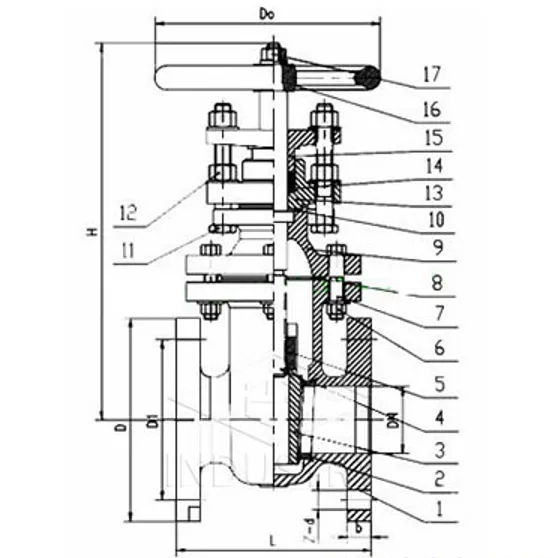
Understanding Tilting Disk Check Valves Tilting disk check valves are essential components in various fluid systems, designed to prevent backflow and ensure the proper direction of fluid movement. Their unique design and operational characteristics make them suitable for a wide range of applications in industries such as water treatment, chemical processing, and HVAC systems. A tilting disk check valve operates on a simple yet effective mechanism. The valve consists of a disk that pivots on a hinge. When fluid flows in the designated direction, the disk tilts open, allowing the fluid to pass through. However, if the flow reverses, the disk tilts back against its seat due to the reverse pressure, effectively sealing the opening and preventing backflow. This action is critical in maintaining the system's efficiency and protecting equipment from potential damage caused by reverse flows, such as water hammer or contamination. One of the main advantages of tilting disk check valves is their ability to provide a low-pressure drop. Unlike some other check valve designs, the tilting disk allows for a streamlined flow path, minimizing turbulence and energy loss. This characteristic makes them particularly valued in applications where maintaining pressure and flow rates is crucial. tilting disk check valve Moreover, tilting disk check valves are also known for their durability and reliability. Constructed from materials such as stainless steel, bronze, or PVC, these valves can withstand harsh operating conditions and resist corrosion . Their robust design contributes to a longer lifespan, reducing the need for frequent replacements and maintenance, which can be both time-consuming and costly. In terms of installation, tilting disk check valves are versatile and can be oriented in any position. Nevertheless, it’s often recommended to install them in a horizontal position to ensure optimal performance. Proper sizing is also important; selecting the right valve size according to the specific flow requirements of the system is critical to achieving effective operation. Safety is another significant factor when using tilting disk check valves. These valves help to prevent backflow, which can lead to contamination of clean water supplies and other critical fluids. By ensuring a one-way flow path, they contribute to the overall safety and integrity of the fluid system. In conclusion, tilting disk check valves are vital components that enhance the efficiency and safety of fluid systems. Their unique design, durability, and ability to minimize pressure drops make them an ideal choice for many industrial applications. By understanding their functionality and benefits, engineers and operators can make informed decisions when selecting check valves for their systems.
-

High quality industrial productsagement

High quality industrial products
View Details -

Meet the diverse needs of customers

Meet the diverse needs of customers
View Details -

Strict quality control

Strict quality control
View Details -

Top raw materials

Top raw materials
View Details -

Trusted supplier

Trusted supplier
View Details
Our application
news and information

Wire bird spikes for effective bird control solutions in outdoor spaces.
Bird spikes wire is a common and effective solution to prevent birds from roosting or nesting on bui
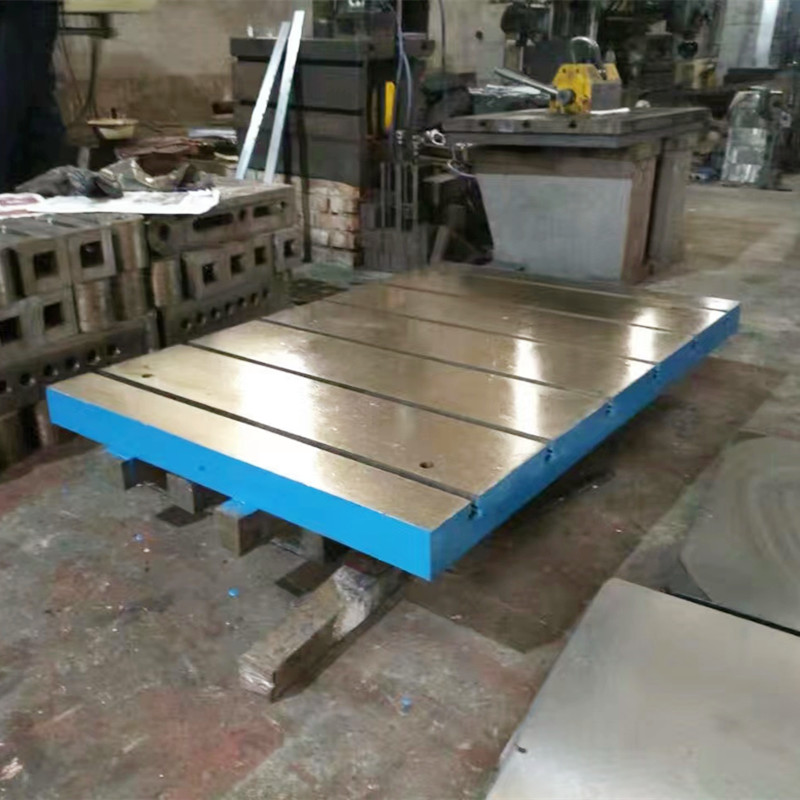
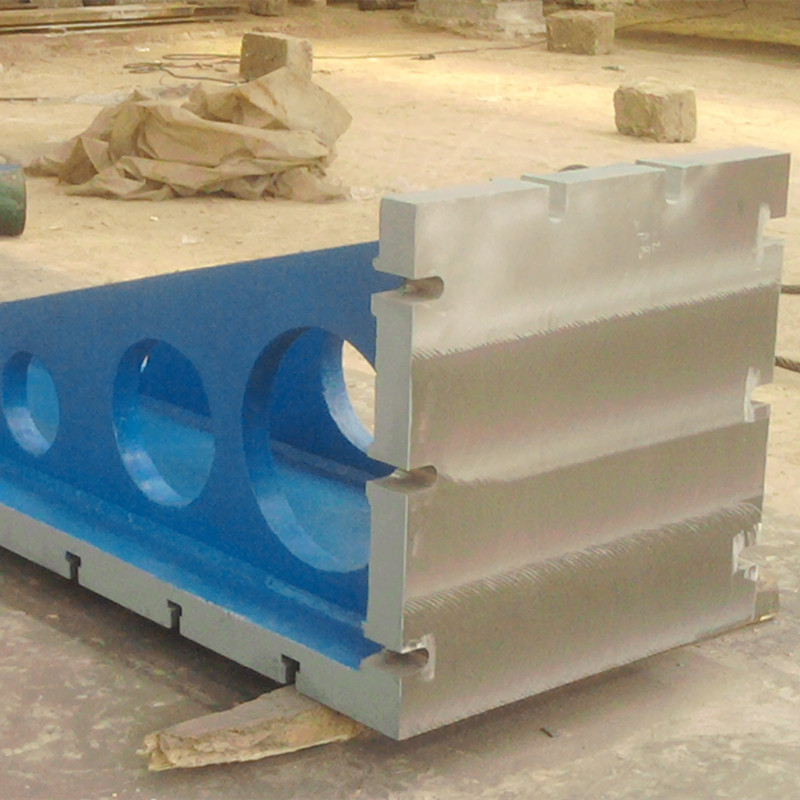
Using Cast Surfaces for Precision Plate Fabrication and Measurement Techniques
The Importance of Cast Surface Plates in Precision Manufacturing In the realm of precision manufactu

Wholesale Options for High-Quality Ball Valves in Various Sizes and Materials
The Growing Market for Ball Valve Wholesale Trends and Insights In the world of plumbing and industr
 English